
Cervical Posture+Voice, Teachers+Voice Research, Articulation Helps Projection, Preventative Programs for Teachers, What is RCPD and Fall Voice 2025, and PYV!

Enjoy some educational & inspiring blog reading & be sure to roll your shoulders & focus on allowing easy, slow breathing as you do! Make it a GREAT day. YOU are worthy and YOU (and YOUR VOICE) are BEAUTIFUL. #DONTFORGETIT 
Cervical Posture and Voice...
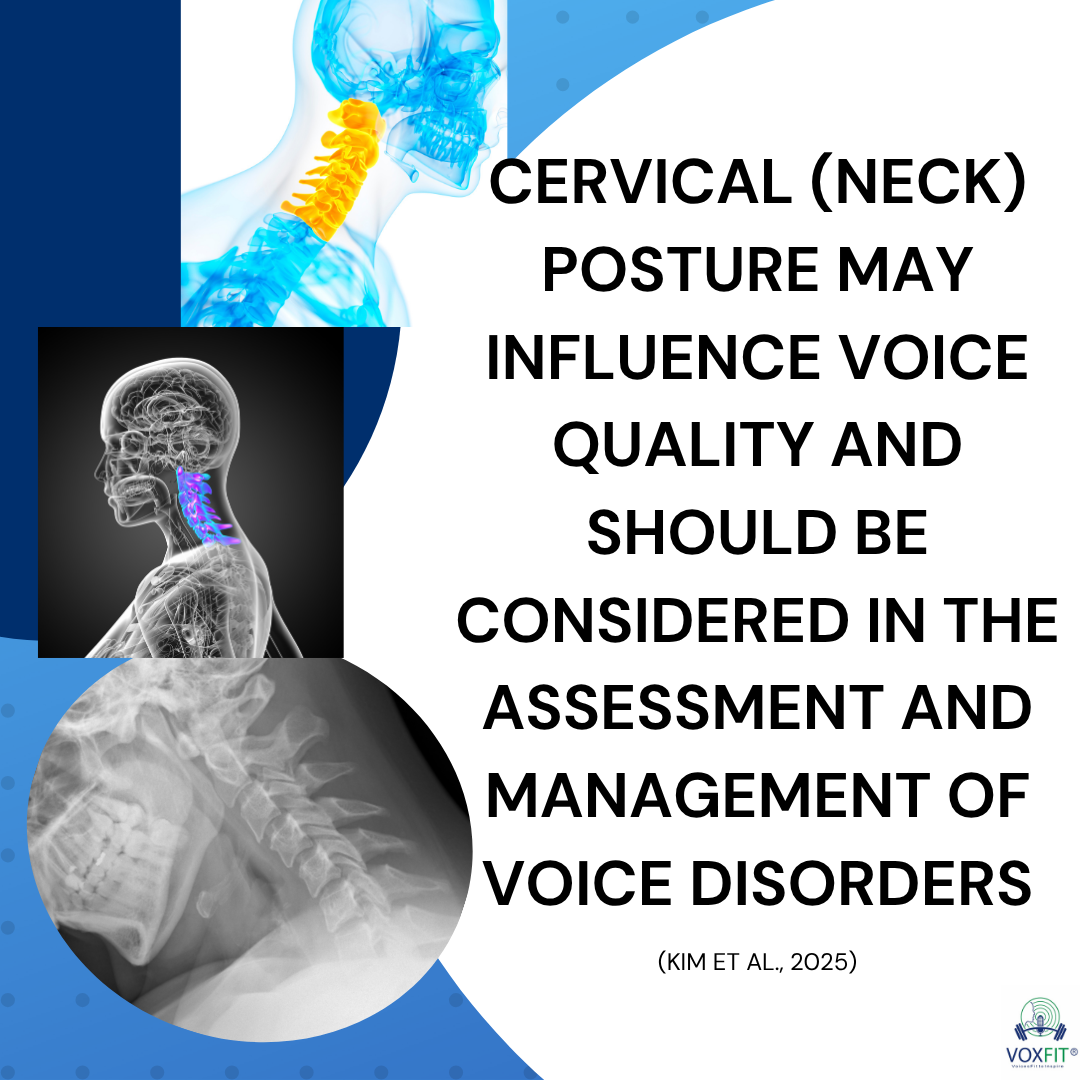
WOWWW! What an interesting study!!

To me, is obvious that neck posture can influence voice & phonation (and ALL voice users, especially occupational ones!) by affecting laryngeal positioning, muscle tension, & respiratory dynamics… it’s also (unfortunately) pretty common these days for people to gravitate towards a protracted chin/forward flexed head posture, often due to the consistent use of a computer or cell phone (nowadays there’s even a term—“tech neck”). However, not many studies have yet evaluated cervical spine status in patients with voice disorders…
A newly published study (Kim et al., 2025) found that the (experimental) group with hyperfunctional voice disorders (n=35) showed significantly less C2-C7 lordosis (which is a measure of cervical alignment) than the non-hyperfunctional group, INDICATING A MORE FORWARD FLEXED NECK POSTURE. In this hyperfunctional group, C2-C7 lordosis showed significant positive correlation with the total VHI-10 score (signifying a higher self-perception of voice-related handicap) & a significant positive correlation with the breathiness & strain components of the GRBAS scale (a perceptual voice rating scale). There were also no meaningful correlations found in the non-hyperfunctional (control) group.
Pretty interesting that C2-C7 lordosis/cervical alignment measures were significantly associated with voice symptoms in patients with hyperfunctional voice disorders. Something that could be easily assumed to be a given, but I love when research shows it. The study findings do “suggest that cervical neck posture may influence voice quality & should be considered in the assessment & management of voice disorders, particularly in patients with hyperfunctional patterns”. I think manual (& postural-related) work is so important in the evaluation & treatment of voice disorders. I do perform a manual exam in all of my voice evaluations & learn so much about the patient’s tension-related “culprits” & their typical postural tendencies. Often it heightens the patient’s awareness to them as well… it’s all about AWARENESS & altering patterns to create improved vocal efficiency & success! 
.
.
#voxfit #voice #research #neck #neckposture #posture #occupationalvoiceuser #speechpathology #speechpathologist #manualtherapy #awareness #voicespecialist #bevocallyfit #chooseyourbestvoice #voicesfittoinspire #prioritizeyourvoice
Teachers, Stress, Sleep, and Voice...

Results suggest an increased occurrence of voice disorders among teachers with high stress at work and less than 6 hours/day of sleep… (Andrés Carrillo-Gonzalez et al., 2021).
This makes a whole lot of sense.
First off, teachers are OCCUPATIONAL VOICE USERS, and certainly make up quite a large population of people with voice disorders, and/or voice-related challenges. They, like anyone who uses their voice for their job, (especially a job with high vocal demands) are at a higher risk for vocal injury, and/or voice-related challenges.
Secondly, we know in the research that less than optimal sleep negatively impacts the voice as the vocal folds do not have adequate time to recover. Rocha & Behlau (2018) found that sleep quality influences voice, and that perceived poor sleep quality is related to perceived poor vocal quality. If you consistently feel vocally fatigued in your “work” setting (or in general), prioritize SLEEP at night. If you know you do not “achieve” seven to nine hours of sleep nightly, prioritize SLEEP at night. Just like the rest of our bodies, THE VOICE NEEDS REST. 
Thirdly, we also know that stress negatively impacts the voice because it can lead to breathholding patterns, muscle tension-related patterns, and inadequate airflow, which all can lead to suboptimal vocal use patterns. Do you have any favorite STRESS MANAGEMENT techniques? It’s so important to manage stress for optimal health (and prevention of inflammation)!
By getting enough rest via nightly sleep, we are better able to combat stress, maintain energy and focus, and choose positive lifestyle and dietary habits (ex: WATER versus caffeine or energy drinks, HEALTHY food versus fast food, EXERCISE over being sedentary, etc.). .
Both a lack of adequate sleep and a heightened amount of stress can negatively affect your quality of voice (and life!) and resulting quality of work, communication, and interaction with others. If you are an occupational voice user (in this study’s example, a teacher), you are also at higher risk of dysphonia because of high vocal demands, vocal load, and significant vocal dose as well.
Sleep is an essential time of rest for our minds, souls, and bodies; stress management is also essential for our daily physical, mental, and emotional health. BOTH are CRUCIAL for the health, performance, and longevity of our VOICE.
.
.
.
#voxfit #voice #chooseyourbestvoice #bevocallyfit #voicesfittoinspire #prioritizeyourvoice #sleep #stressmanagement #occupationalvoiceuser #teacher #coach #fitnessinstructor #publicspeaker #singer #speechpathology #speechpathologist #voicespecialist #research
Articulation Helps Projection?!
Research shows that articulation treatment may have a positive influence on the perception of vocal loudness and projection.
(Myers & Finnegan, 2015)
Increased effort/attention to CONSONANT PRODUCTION has a POSITIVE impact on the speaking VOICE, particularly regarding vocal LOUDNESS & PROJECTION. These are often goals for occupational & professional voice users, but it is also well known that continued projection/loudness over time could certainly lead to vocal effort & fatigue. The goal is always VOCAL EFFICIENCY & VOCAL LONGEVITY without fatigue.
The study above collected audio samples of a monologue being read using 3 distinct styles: normal articulation, poor articulation (using a bite block), & over articulation. The samples were listened to & comparative judgments were made regarding articulation, loudness, & projection. The results showed a strong correlation between the articulatory condition & the level of perceived loudness & projection. AS PRECISION OF ARTICULATION INCREASED, the ratings of PERCEIVED LOUDNESS & PROJECTION INCREASED as well.
There are several studies that indicate an EMPHASIS on CLARITY/CONSONANT ENERGY enhances not only PLACEMENT of voice, but also the ENERGY of the voice (which can be perceived as volume/projection)…. Hellloooo CTT (one of my faves!). This is a much easier way for heavy voice users to gain VOLUME without the “collision forces” on the vocal folds (& the corresponding effort & eventual vocal fatigue). This idea promotes vocal EFFICIENCY & LONGEVITY within an occupational &/or professional (voice) setting (side benefit of the enhancing CLARITY which positively impacts message delivery). More BANG for less BUCKS!  It also redistributes all of the focus of loudness/projection AWAY from the laryngeal level & TOWARDS the mouth/articulators. I also strongly believe that the addition of the BREATH, the addition of incorporating the “bigger” body muscles &/or skeleton locations (aka ANCHORING) for support, & the addition of RESONANCE all add to overall PROJECTION SUCCESS.
Andddd something I always say, which is the obvious truth… We are never just a head or a larynx.. we are (always) a whole body sitting here & the voice IS the whole body. Why not USE our BODY to SUPPORT our VOICE instead of rely only on the vocal folds? Need to project? Choose vocal EFFICIENCY.
.
.
#voxfit #voice #bevocallyfit #chooseyourbestvoice #projection #clarity #consonantenergy #voicesfittoinspire #prioritizeyourvoice #occupationalvoiceuser #speechpathologist #voicespecialist #vocalhealth #vocalefficiency #vocaldynamics #smarternotharder
Preventative Programs for Teachers?!
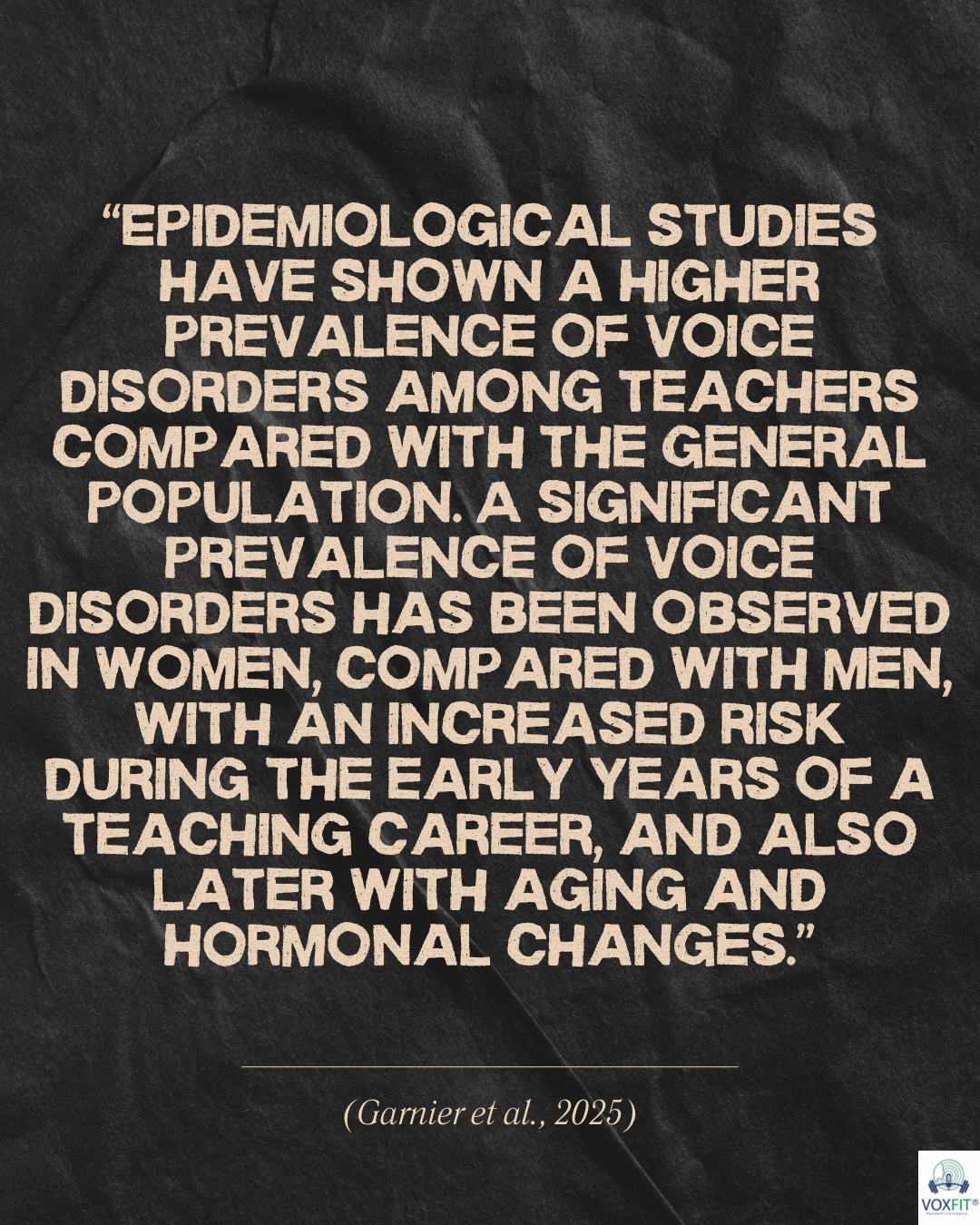
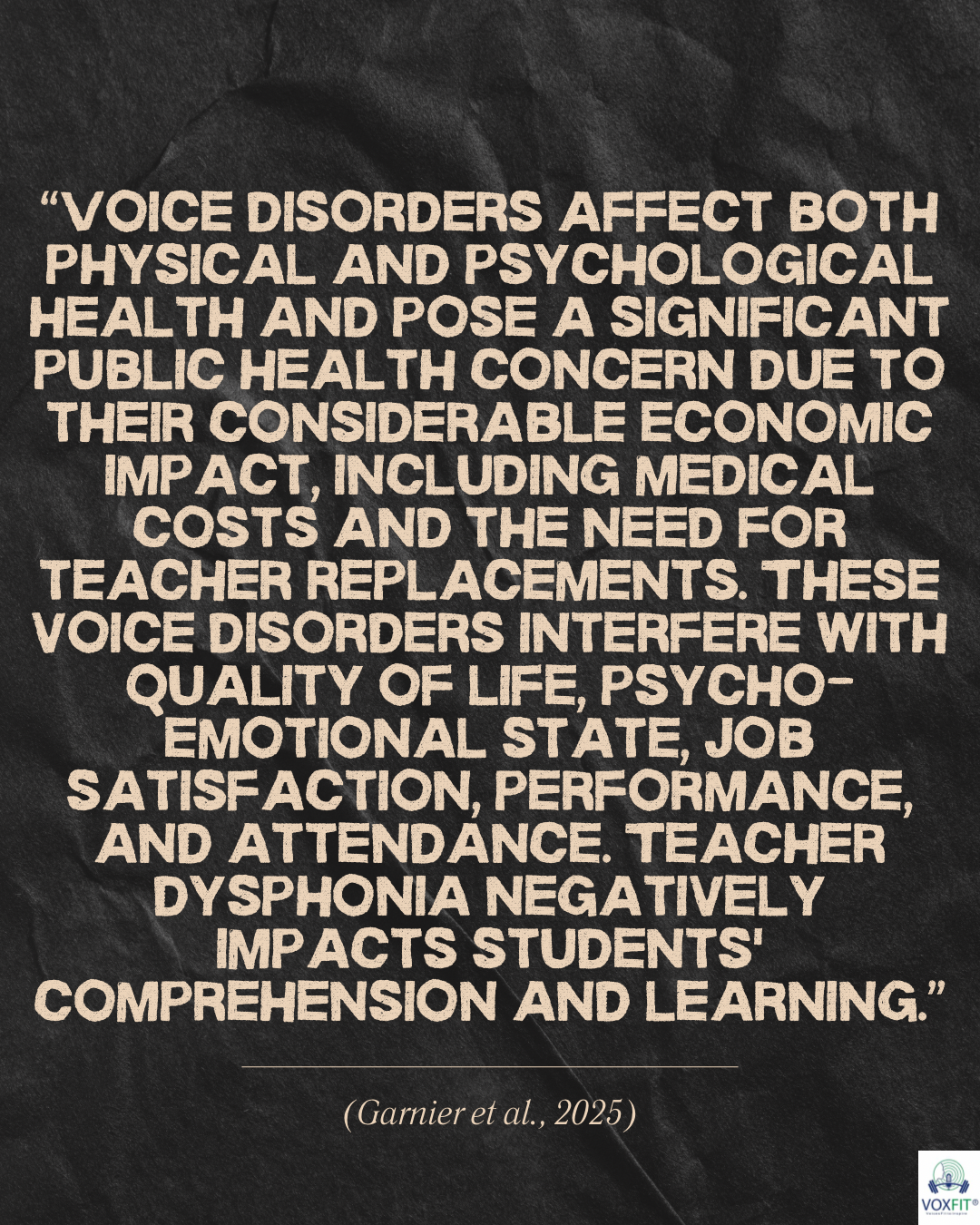
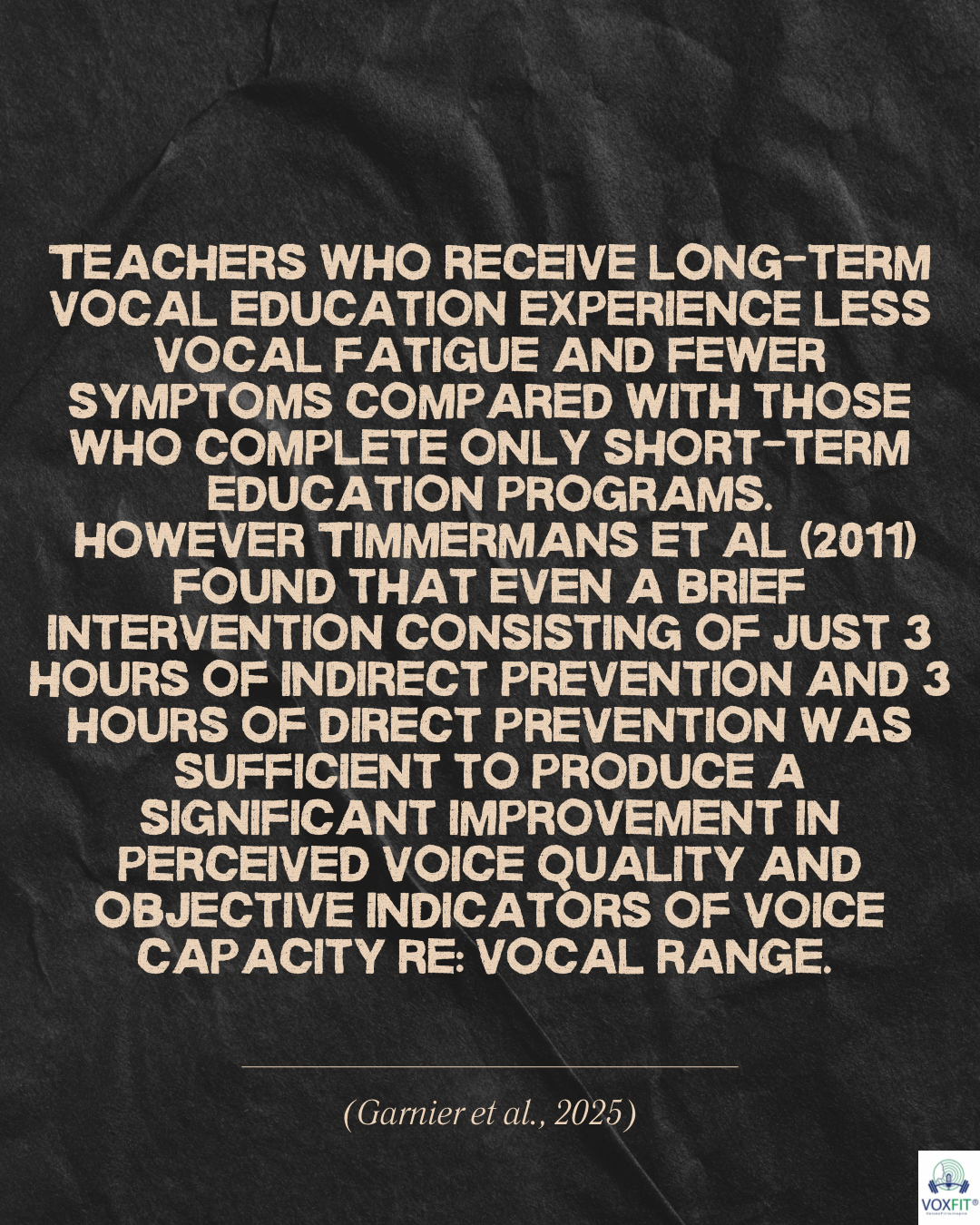
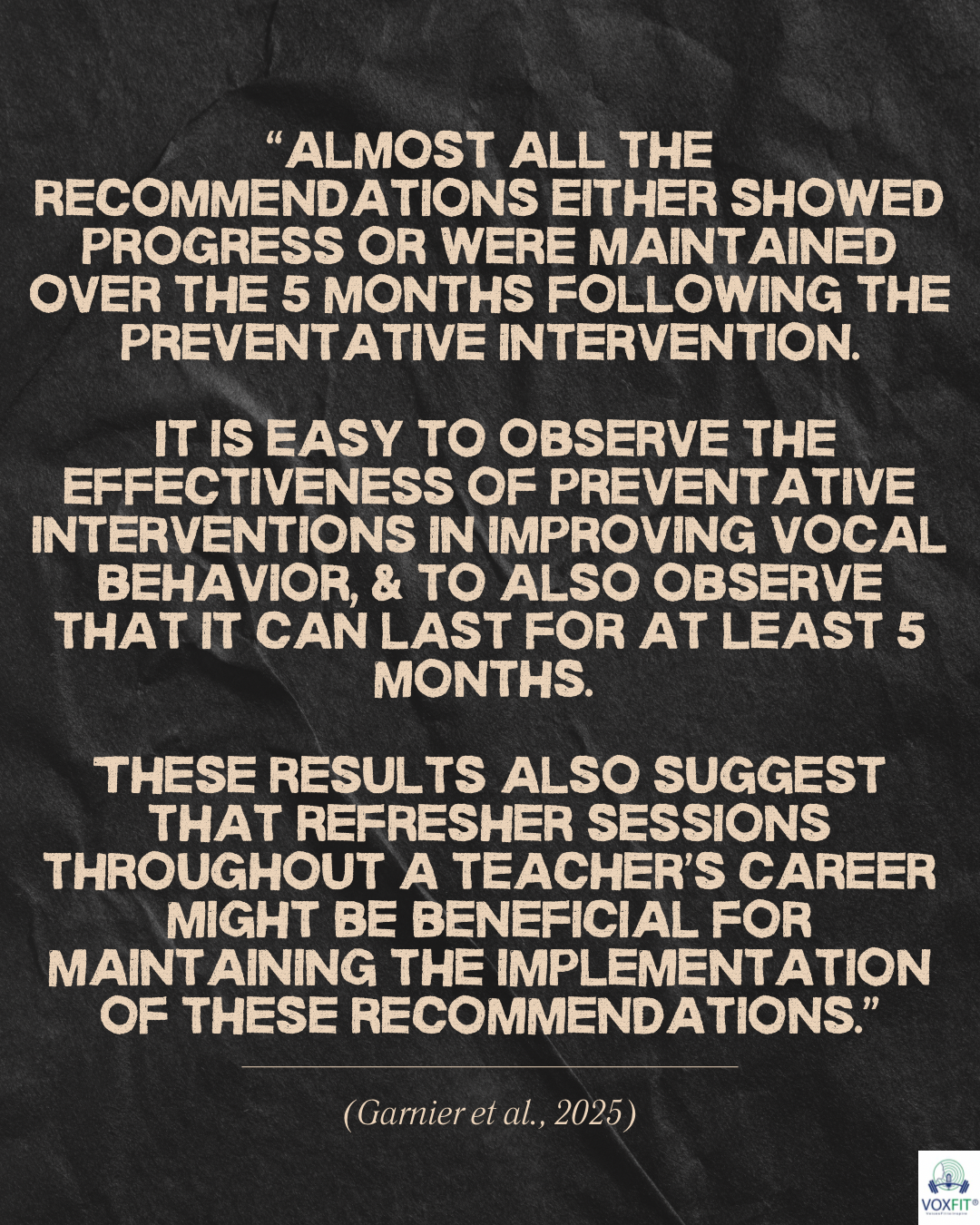
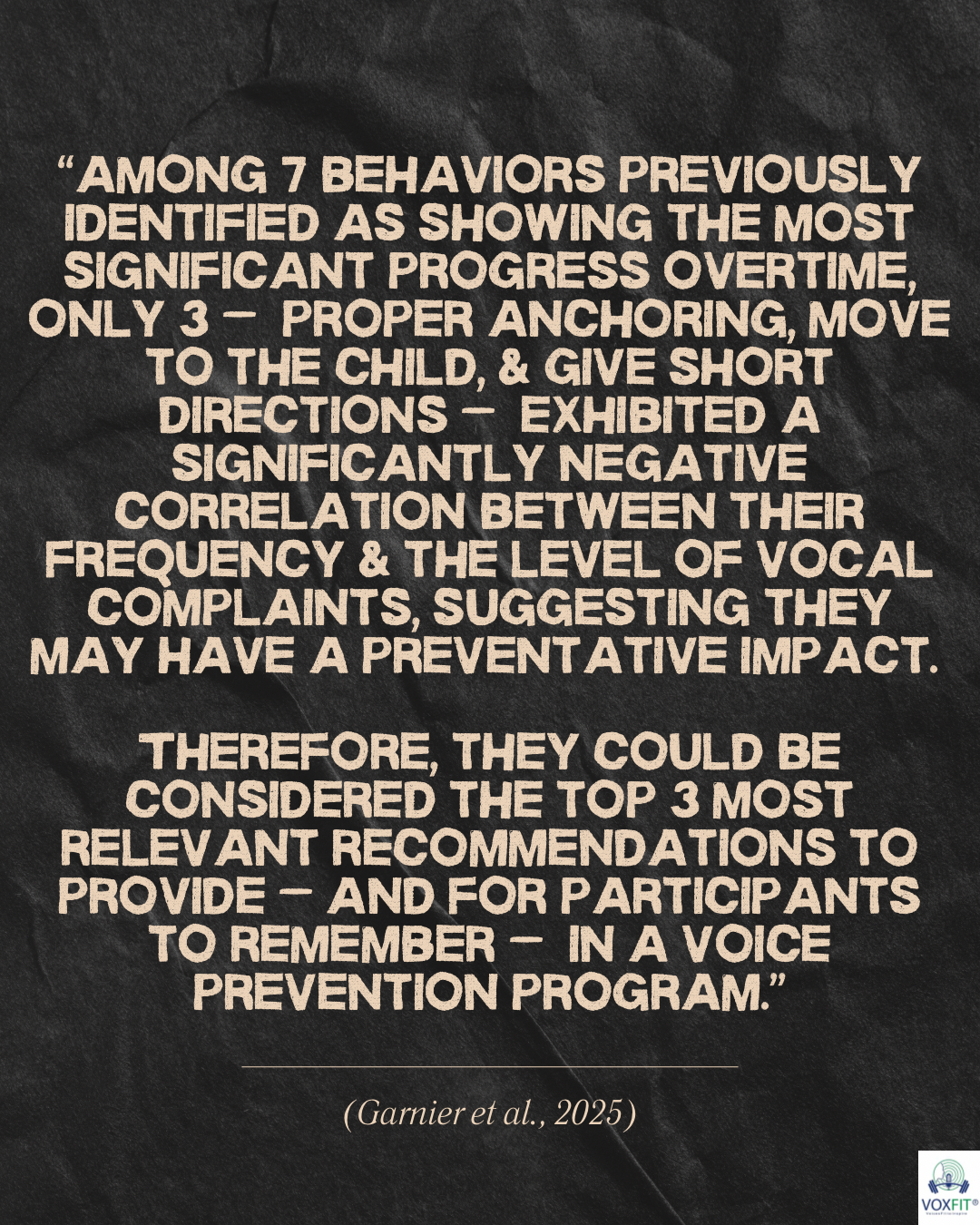
Currently in France, (the place of the study), initial training of teachers does not include education on voice care or strategies for preserving vocal health throughout their careers. This is quite similar to many other countries… & quite similar to many other professions that involve heavy voice use. That is also why I am so PASSIONATE about EDUCATION on vocal health, efficiency, & dynamics… AND providing PREVENTATIVE programs to all OCCUPATIONAL VOICE USERS… especially fitness professionals, teachers, coaches, & really anyone who uses their VOICE for their JOB.
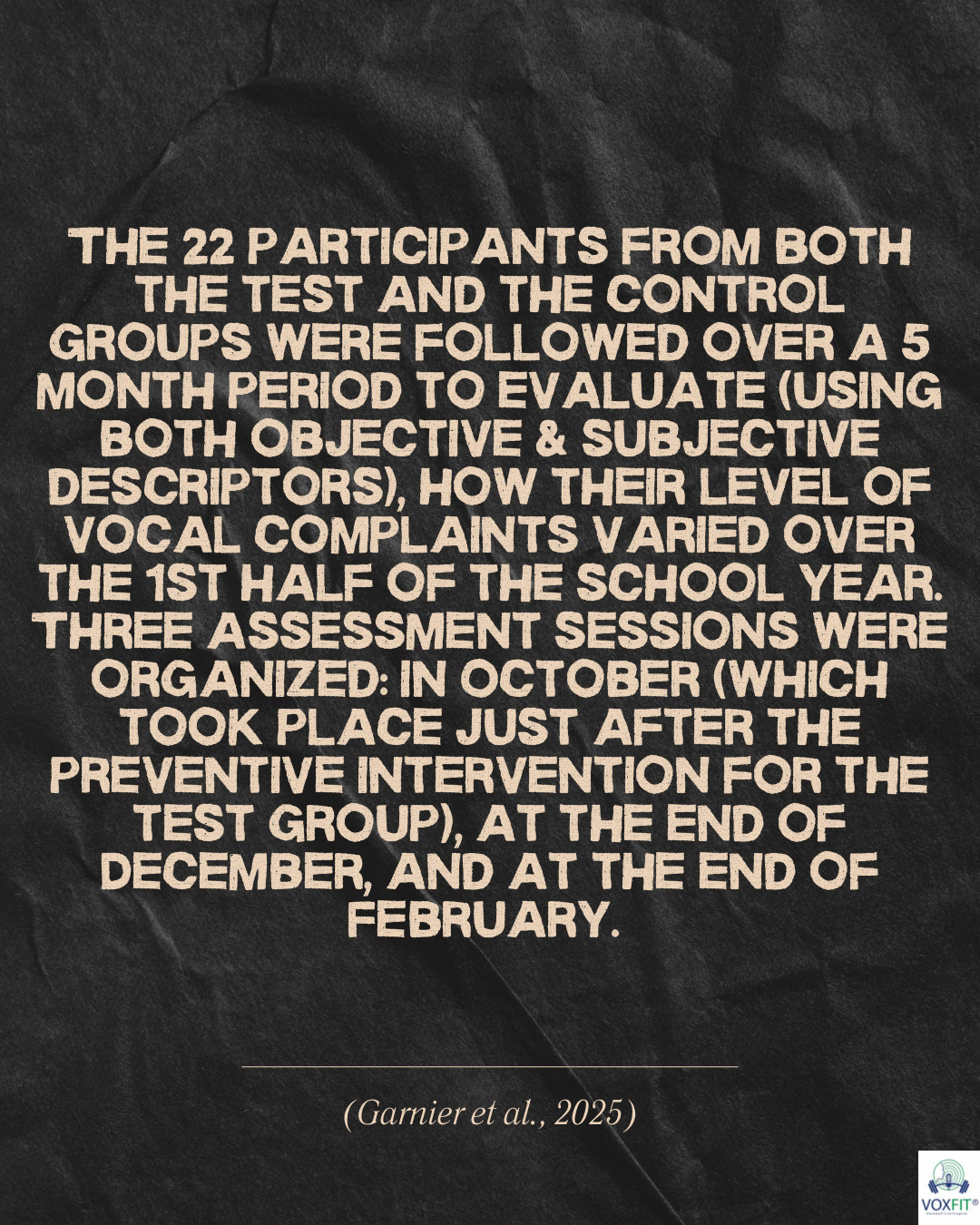
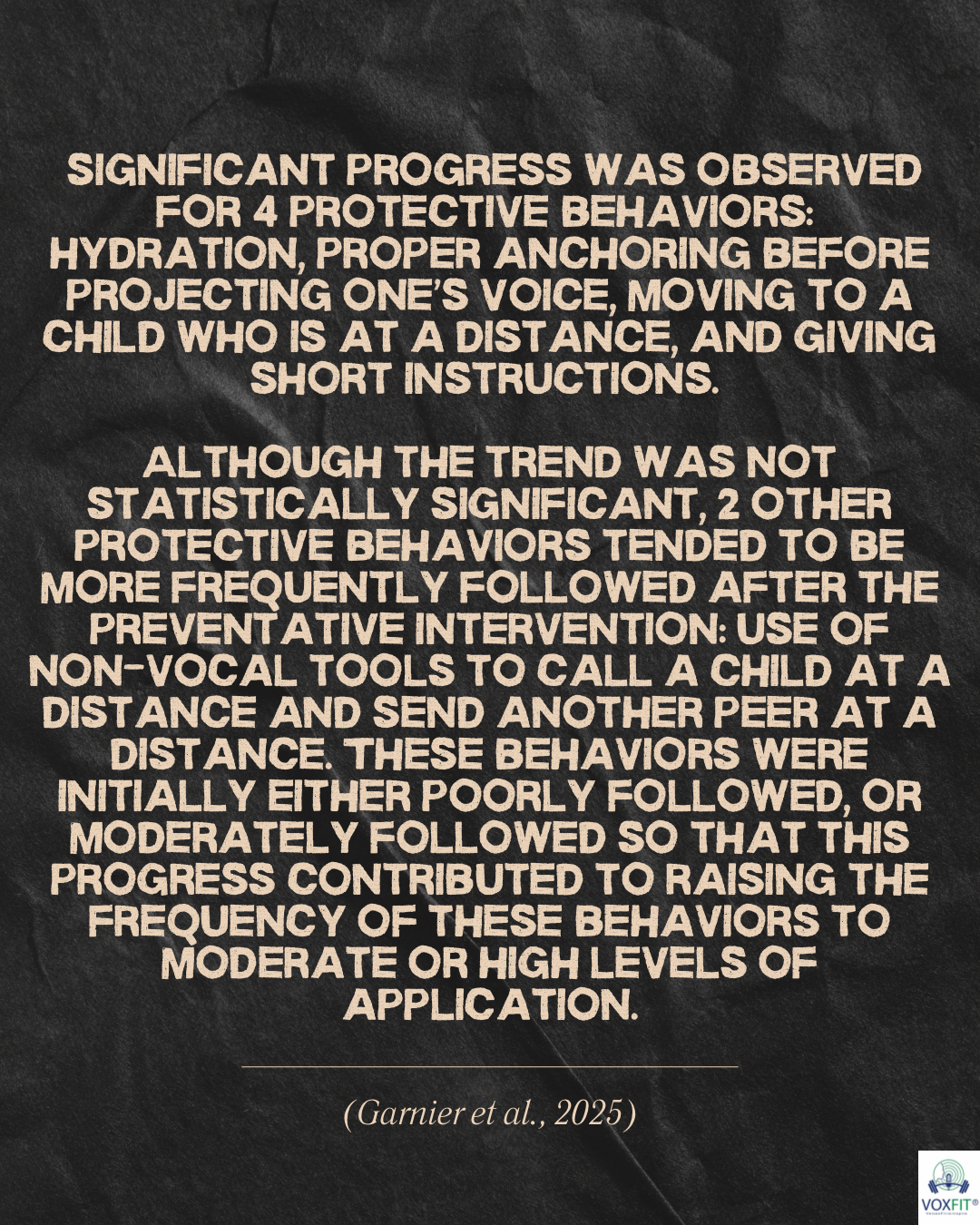
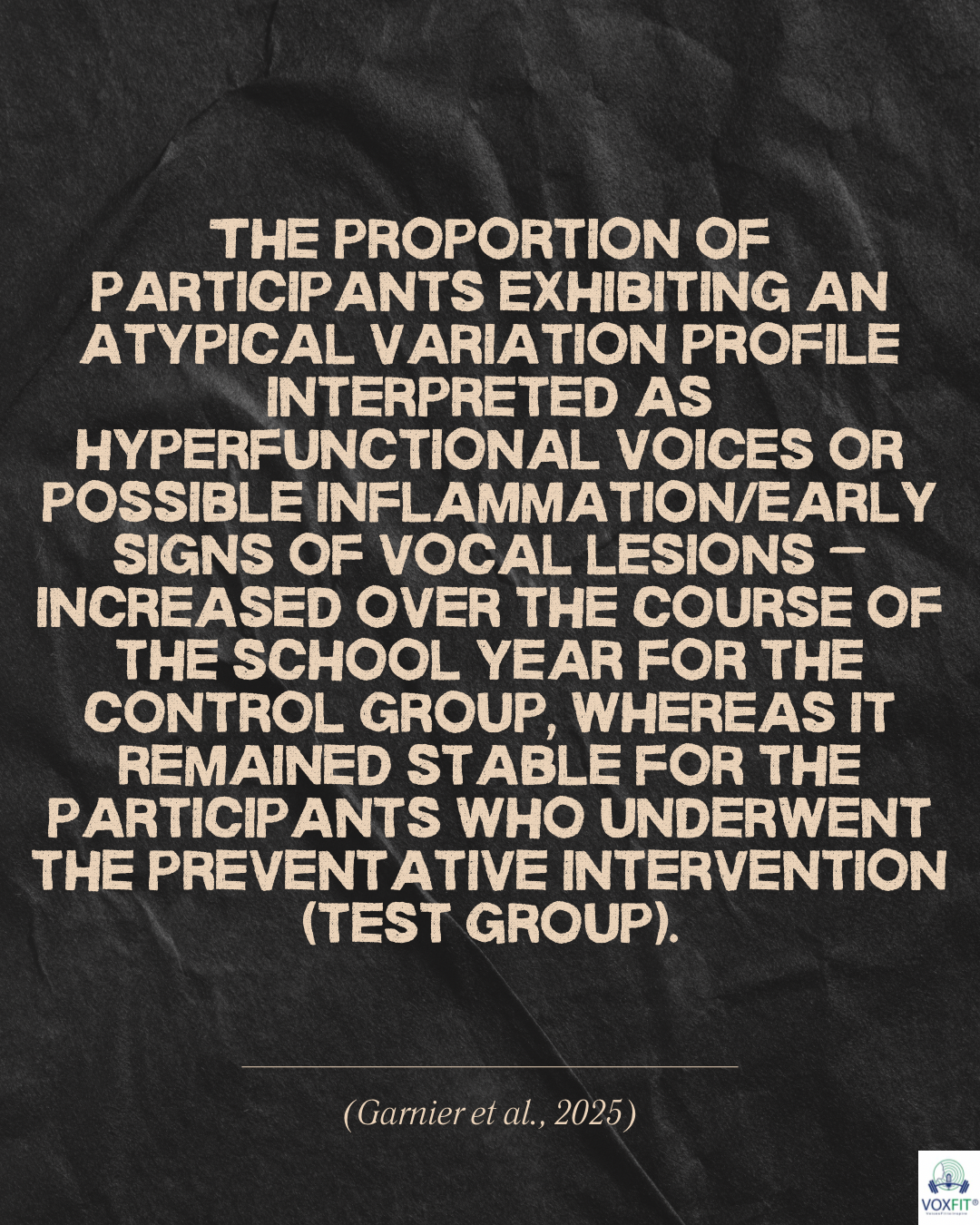
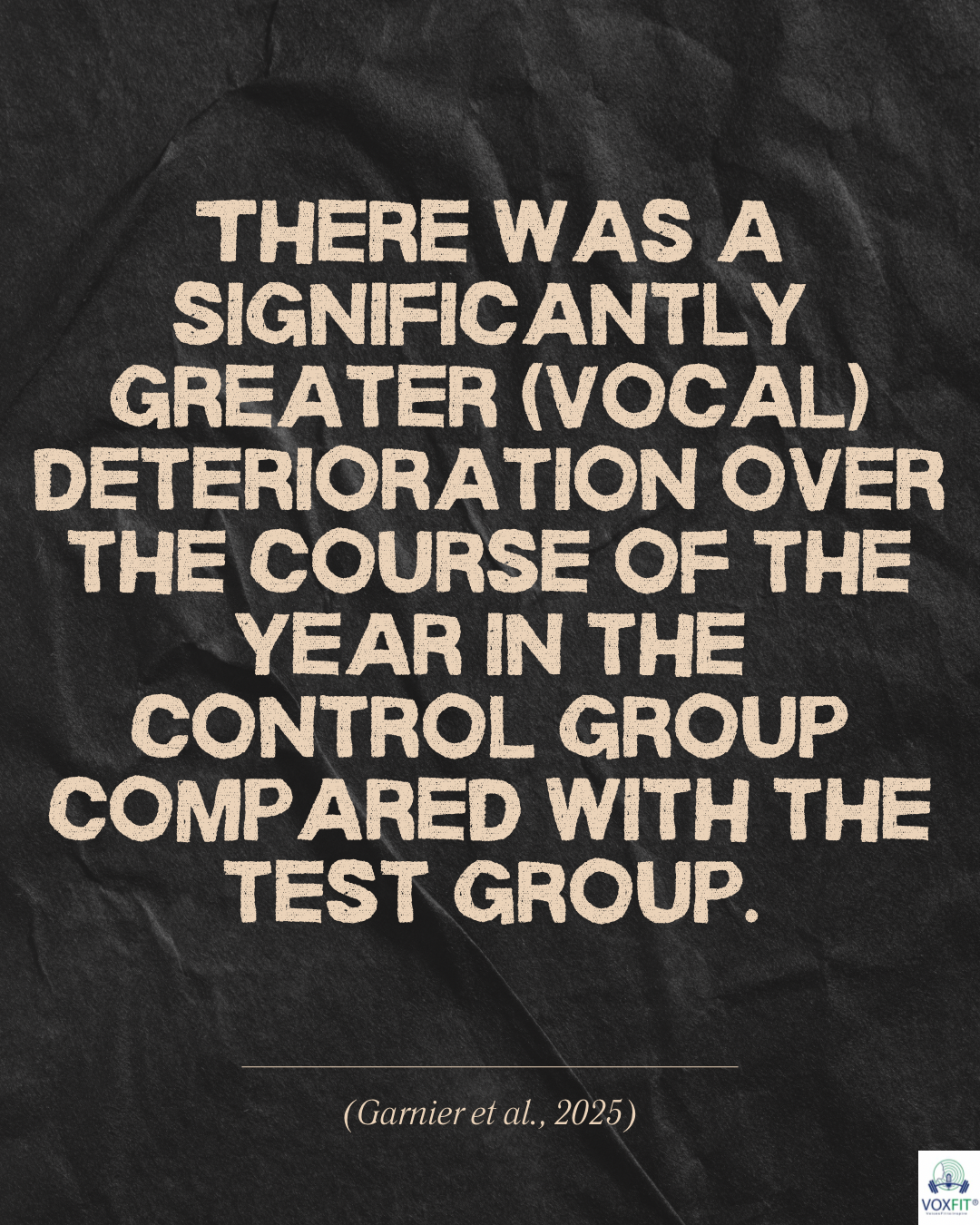
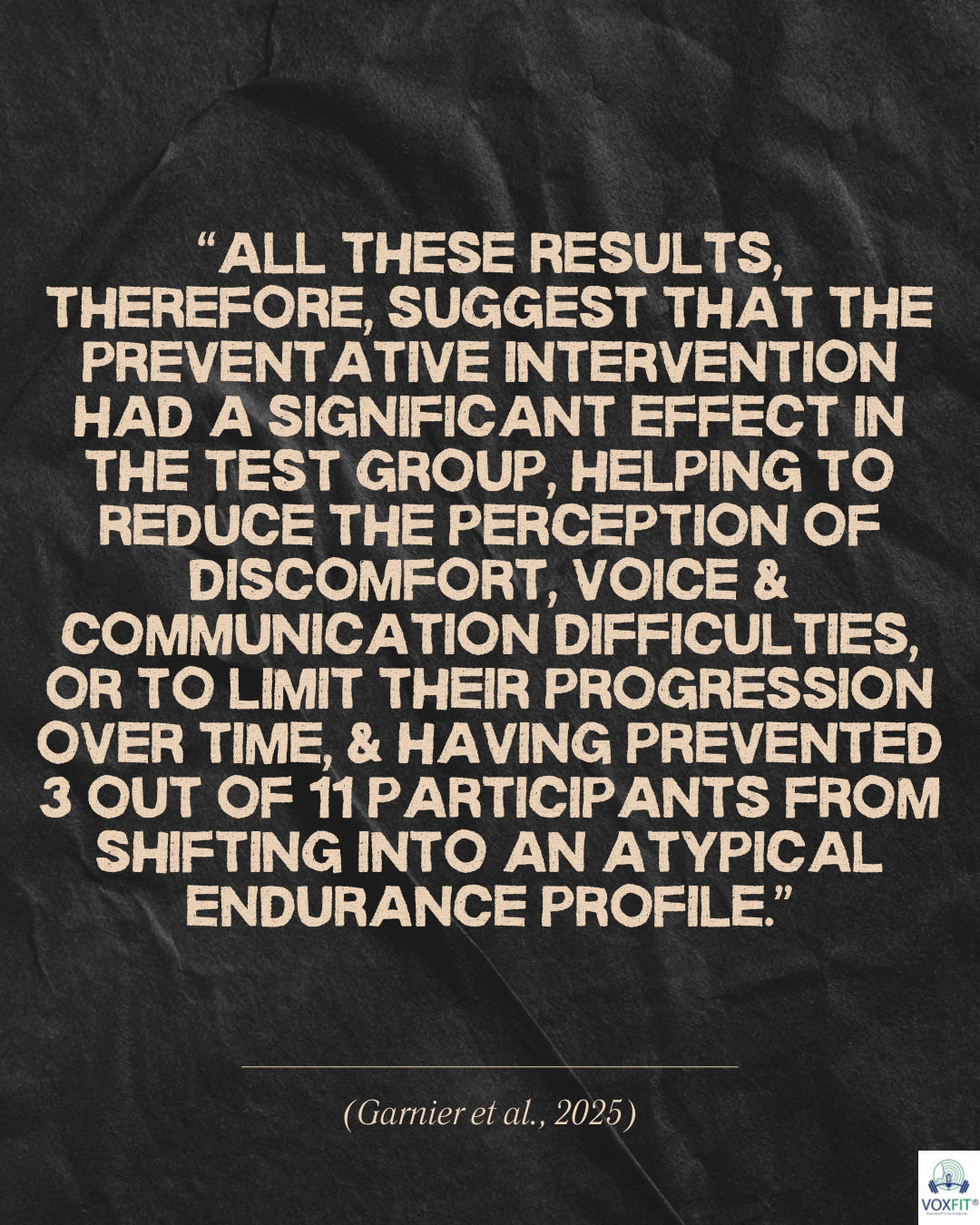
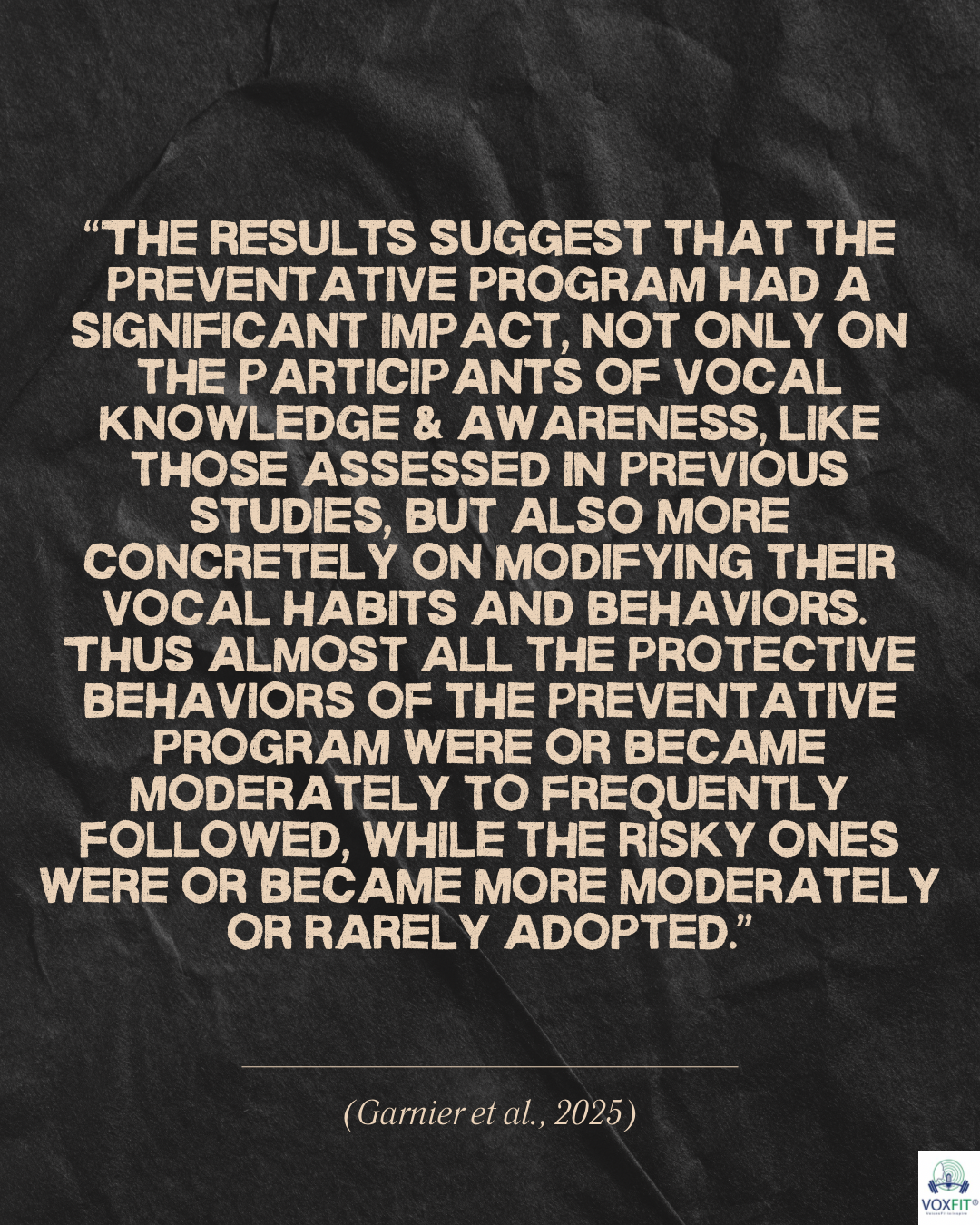
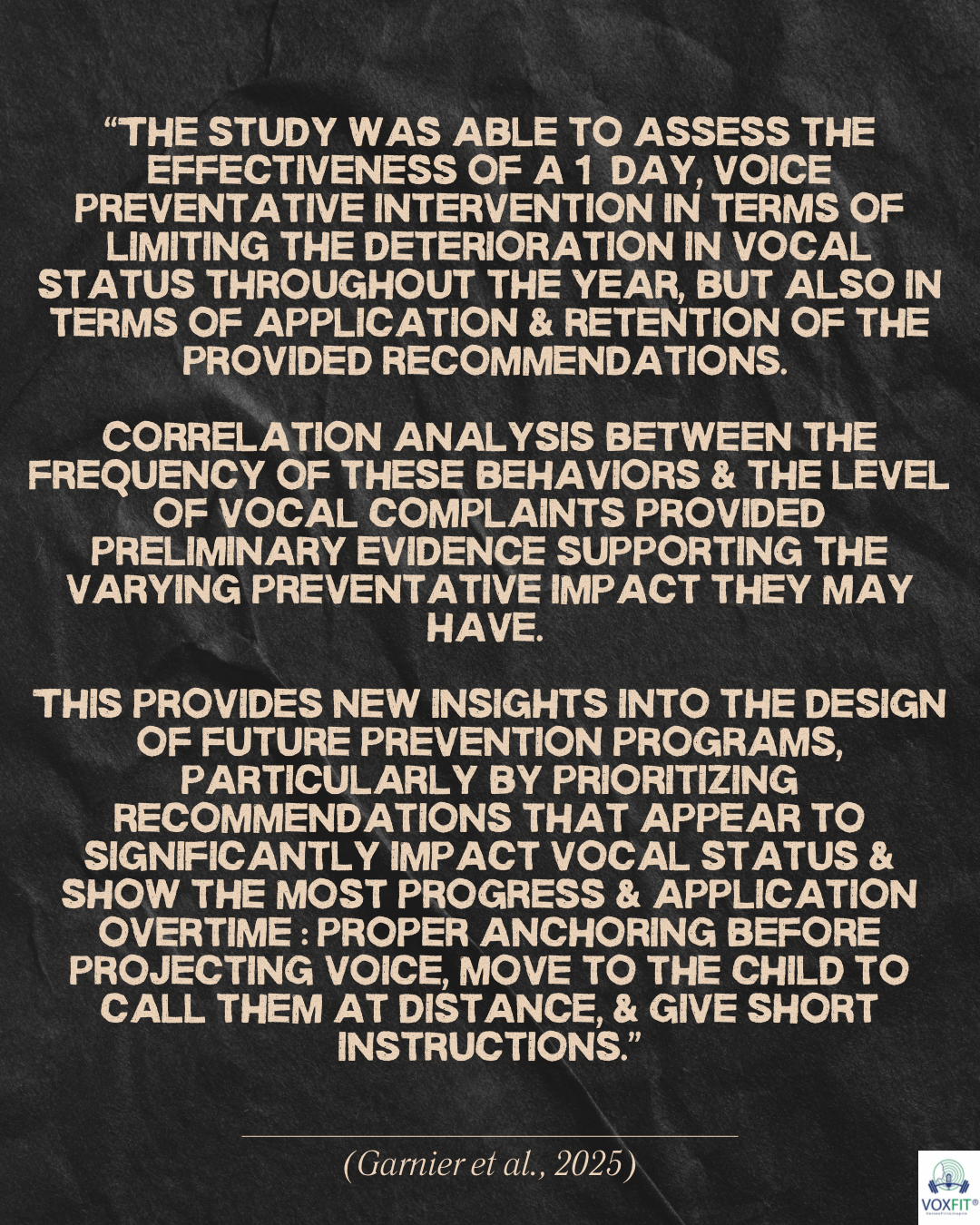
The objective of this study was to evaluate the effectiveness of such a 1-day preventative program, when provided at the beginning of a teaching career, before any voice disorders have developed. The study aims to assess its impact on reducing the development of vocal fatigue over the course of the year, as well as the application & retention of the protective vocal care strategies.
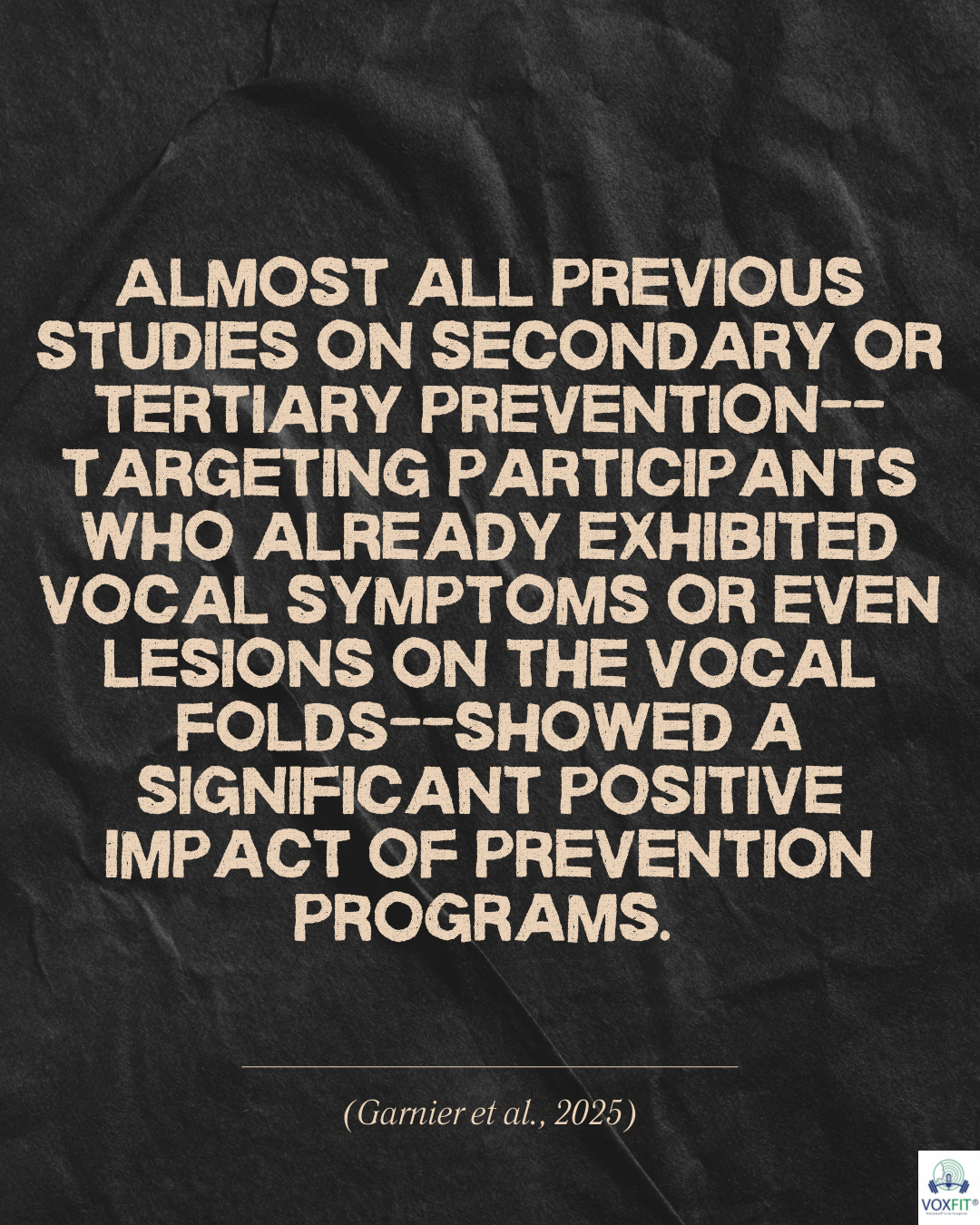
Almost all previous studies on secondary or tertiary prevention--targeting participants who already exhibited vocal symptoms or even lesions on the vocal folds--showed a significant positive impact of prevention programs (reduction in vocal complaints & lower scores on the VHI, improvements in voice quality, improvements in vocal capacity, etc.). However, only 4 studies reported significant improvements in laryngeal condition, as assessed through videostroboscopy. I believe this is an important thing to remember as it’s not always about if we can “make the video on the screen look perfect”… It is more about how we can improve day-to-day voice functionality & voice related quality of life.
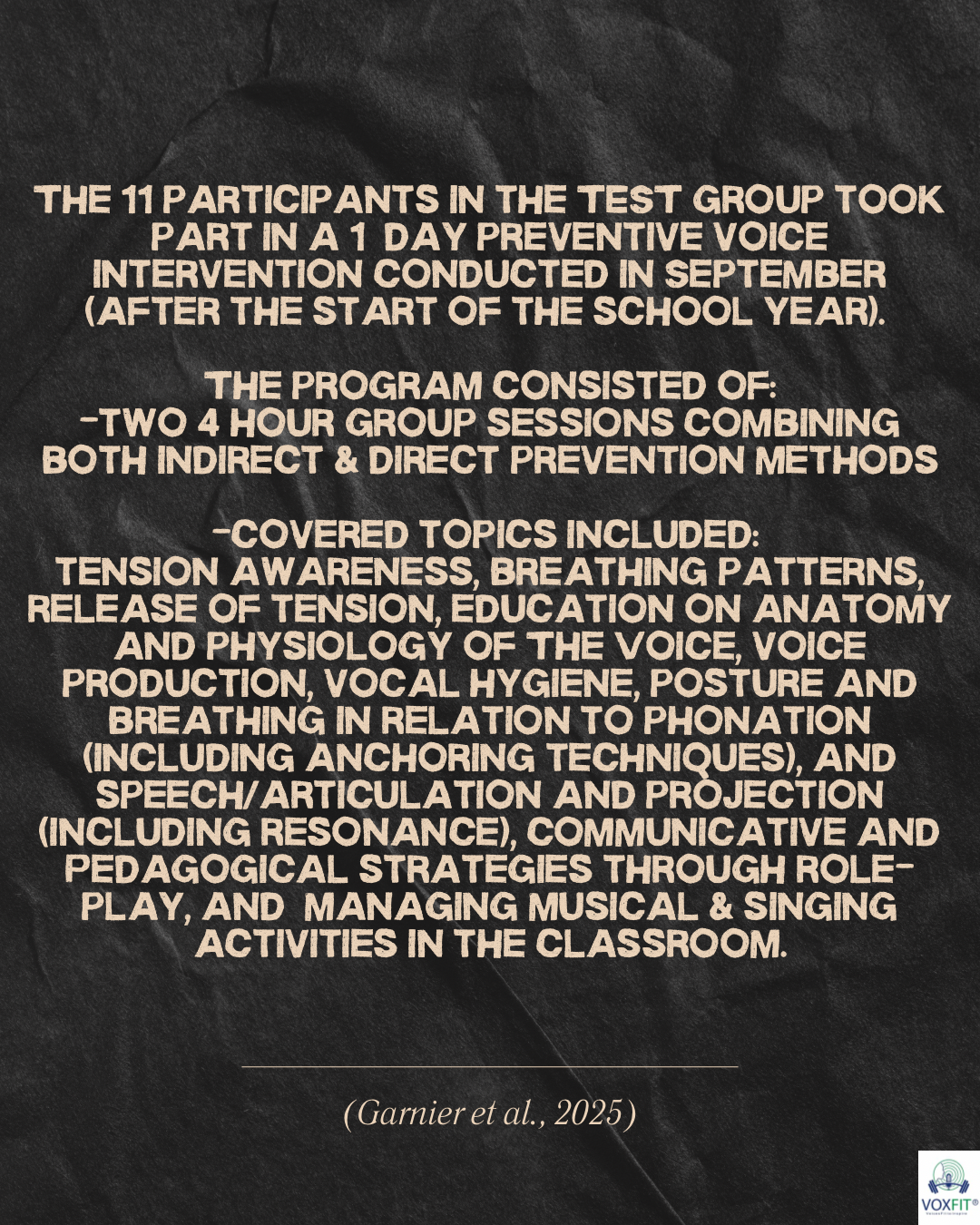
Significant improvements in VHI scores were observed in participants with vocal symptoms only when a MIXED program was used--not with indirect program alone (Garnier et al., 2025). Mixed refers to indirect & direct voice therapy components. Amir et al (2005) found that vocal improvements induced by a MIXED program were more pronounced in dysphonic participants than in healthy ones.
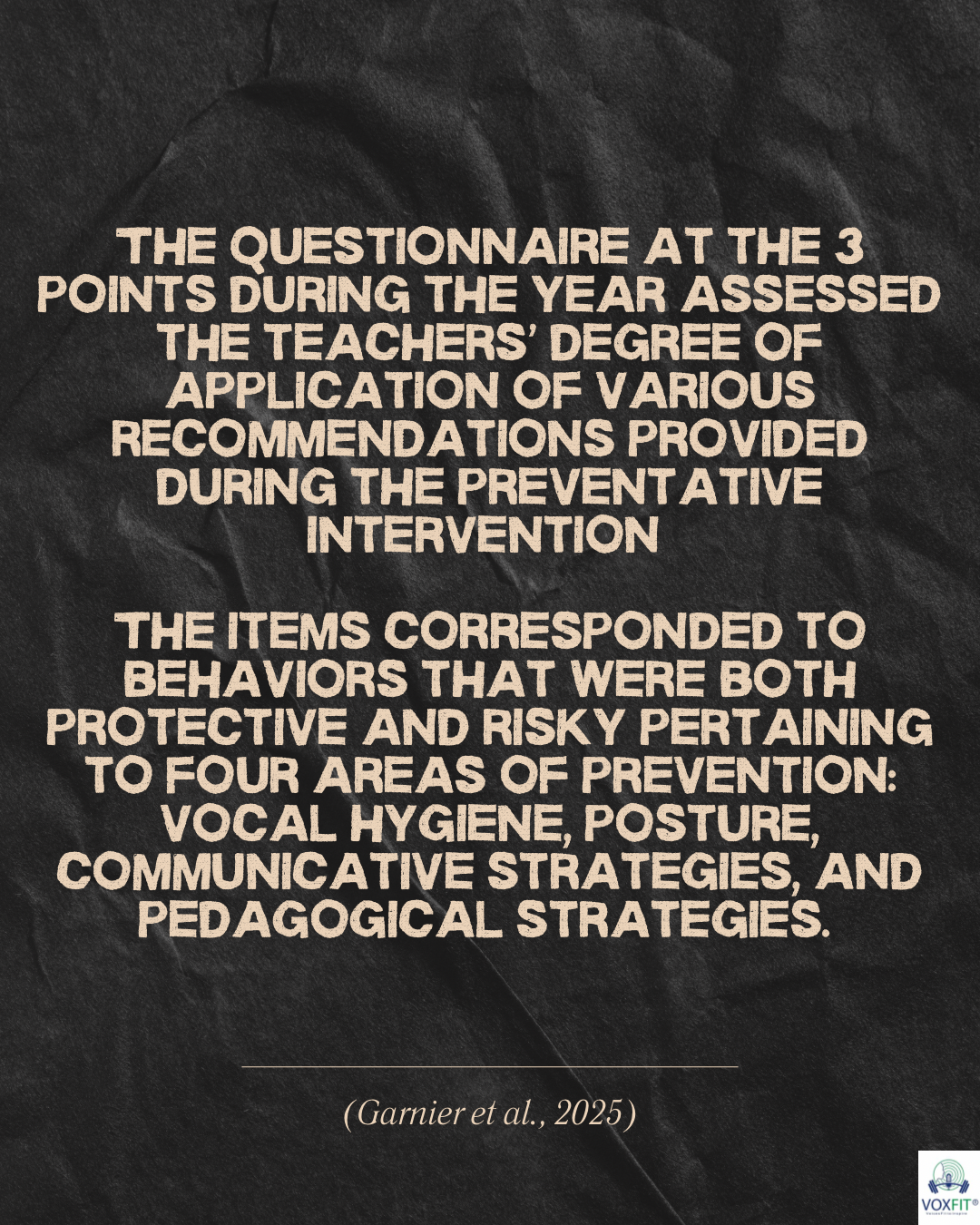
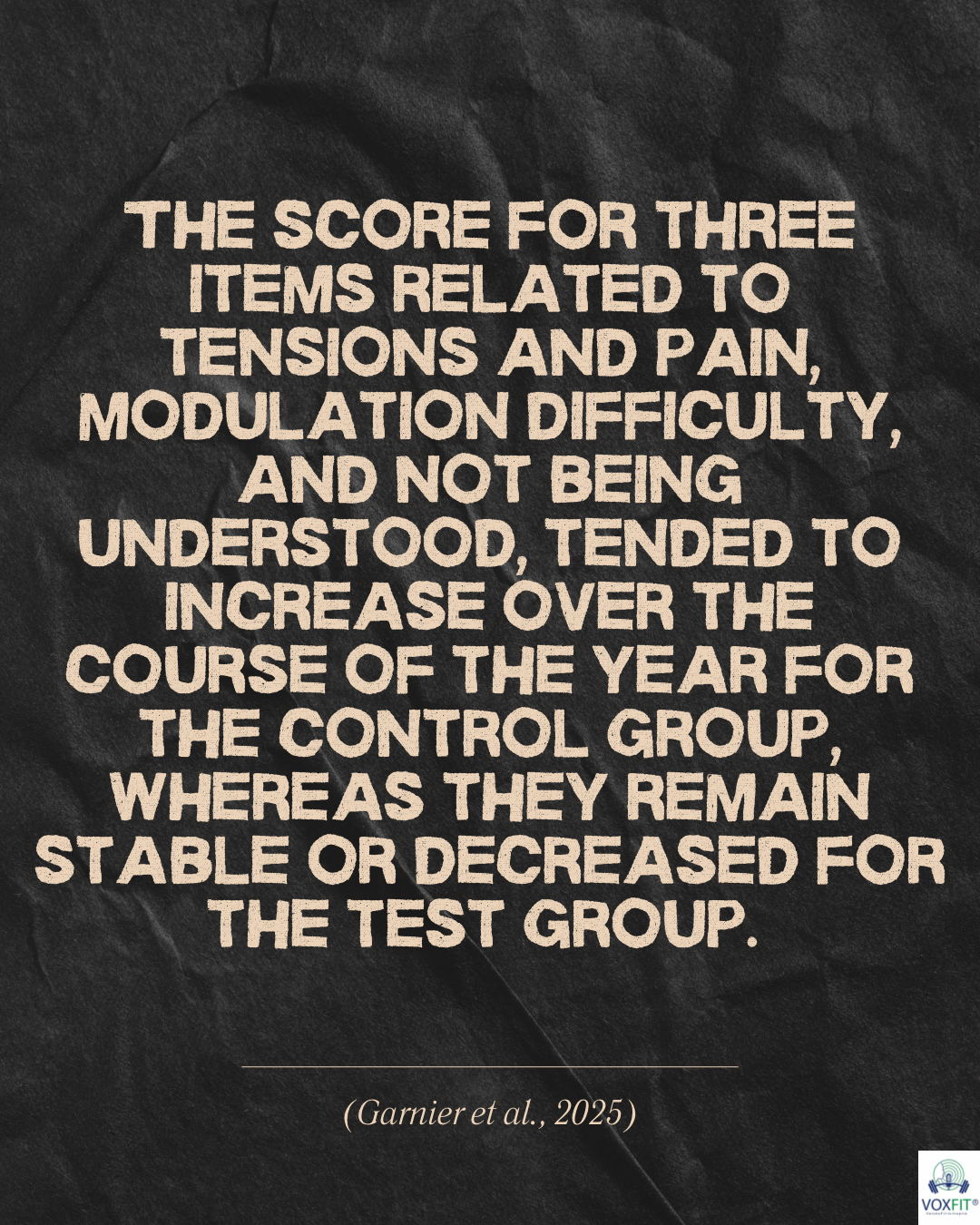
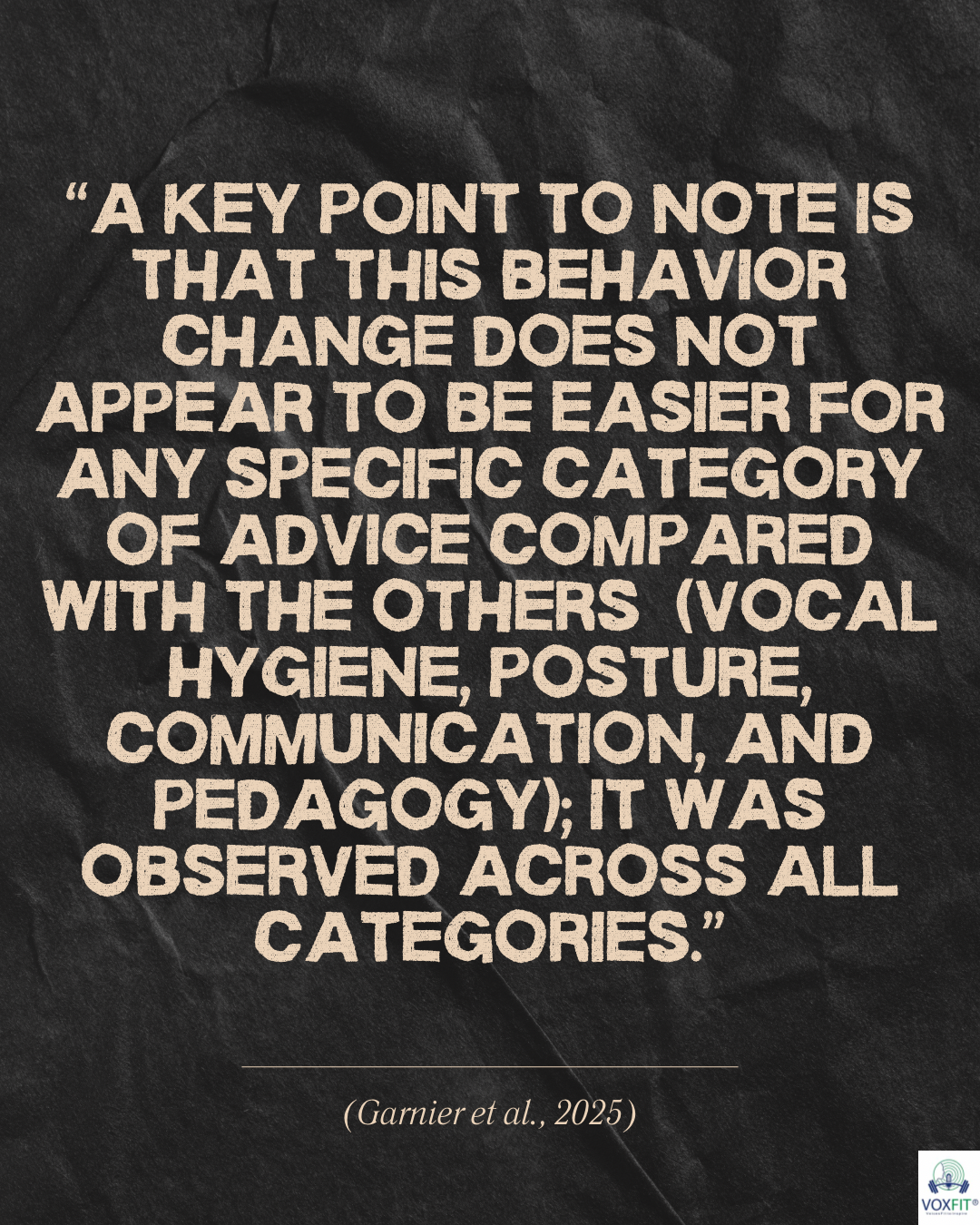
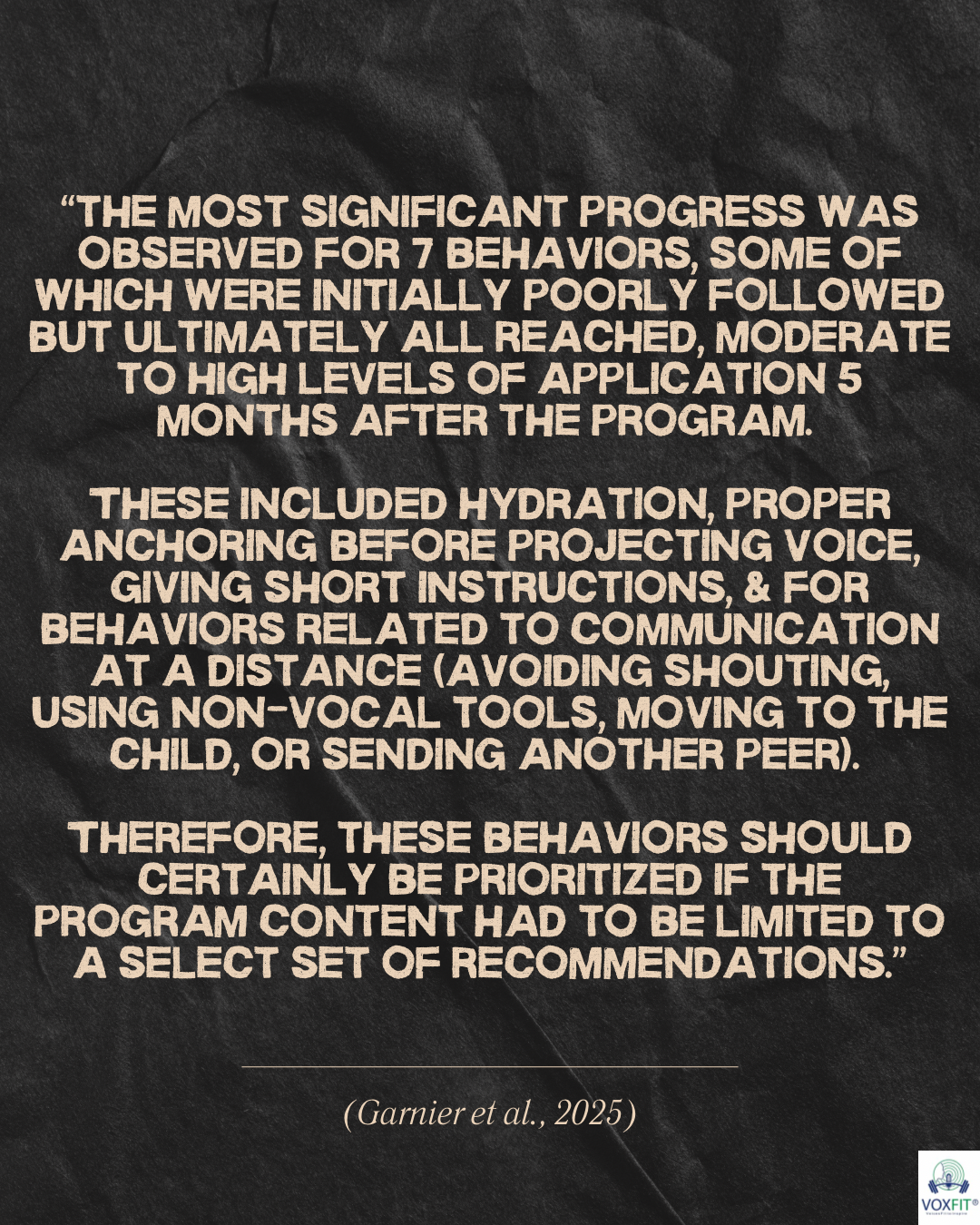
This study designed a mixed prevention program aimed at primary school teachers who have not yet developed voice disorders (primary prevention) & tested its effectiveness in a longitudinal study. The study aimed to assess its impact on preventing the deterioration of vocal status throughout the school year--using both objective measures & subjective self-assessments--the main goal of the study was to evaluate the degree of application & retention of various types of recommendations provided during the intervention, covering aspects of vocal hygiene, vocal technique, communication, & pedagogical strategies. The 2nd main objective was to explore the relationship between the degree of application of these recommendations & the participants' level of vocal complaints to estimate their respective preventative potential. The ultimate goal was to identify a select set of the most effective recommendations that should be prioritized in future preventive programs to maximize their effectiveness.
Check out the additional visuals to learn more about the study and results!
 .
.
.
#voxfit #voice #research #teachers #teacher #occupationalvoiceuser #prevention #coach #fitpro #fitnessinstructor #speechpathology #speechpathologist #voicespecialist #voicesfittoinspire #proactivenotreactive
What is RCPD?
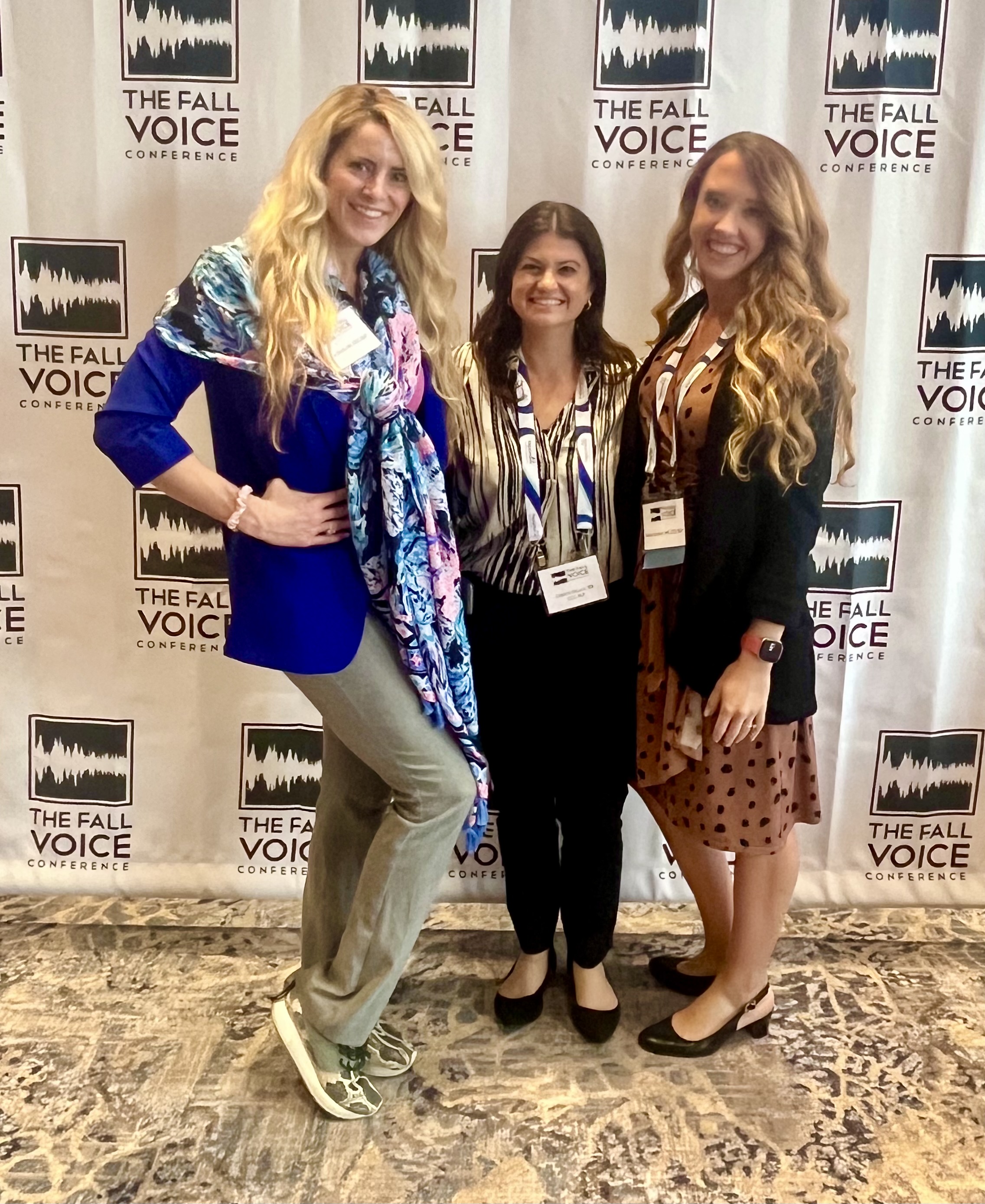
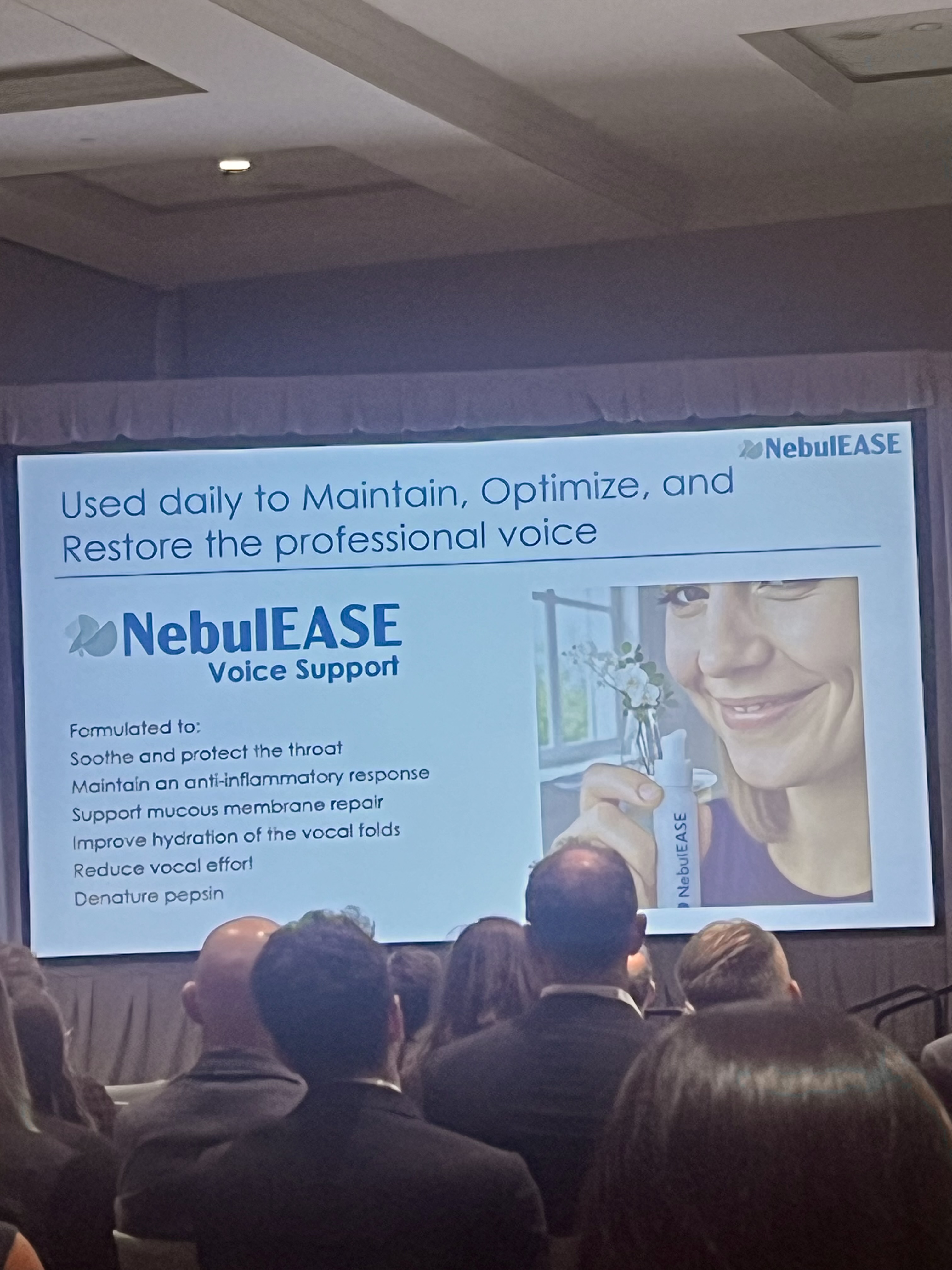
...and Fall Voice Conference 2025

WHAT is RCPD?? RCPD stands for retrograde cricopharyngeal dysfunction, and it is actually a really common condition (in the laryngology/ENT clinic) that affects a lot of people.
In layman’s terms it literally means you cannot burp… and is often called “no burp syndrome”, but in more detail it is when the cricopharyngeal (CP) muscle, located at the top of the esophagus, fails to relax properly after swallowing (and does not open to allow air to exit the esophagus/food tube). This leads to trapped air in the esophagus, causing various symptoms including: inability to burp, bloating/abdominal fullness, gurgling noises in the chest or throat, excessive flatulence, avoidance of carbonation, nausea, difficulty vomiting/fear of vomiting, chest pain/discomfort, and self-imposed, dietary and lifestyle changes. It can be a frustrating and embarrassing condition for people who experience RCPD, especially in social situations.
When enough air builds up in the stomach, it makes its way into the esophagus and causes the CP muscle to relax to allow the air to escape into the throat. This is a BURP/BELCH. This is an important biological process that allows the body to rid itself of excess air in the stomach and esophagus.
The exact cause of RCPD is unknown, but it can be related to nerve damage, muscle spasms, esophageal disorders, and psychological factors. RCPD is typically diagnosed based on symptoms, but other testing could include esophagoscopy, manometry, and/or videofluoroscopic swallow study. A recent increase in awareness through patient-led social media discussion boards/Reddit describing the “no burp syndrome” is leading to an increasing incidence of presentations, often with the patient making a self-diagnosis” (Miller et al., 2024).
Treatment aims to relax the CP muscle and allow trapped air to escape. Options include: Botox (into the CP muscle to temporarily paralyze/relax it), surgery/partial CP myotomy (to cut or weaken the muscle, although this is more rare treatment), and lifestyle-related modifications (avoiding foods that trigger symptoms, smaller meals, and drinking lots of fluids).
Currently the standard of treatment for RCPD is Botox (injection during an upper esophagoscopy or via EMG-guided Botox injection), which does result in lasting symptom resolution for up to 80% of patients. Despite an understandable thought that Botox to the CP muscle might possibly lead to LPR (laryngopharyngeal reflux), a recent study by Lechien et al. (2025) found that Botox injection(s) improved RCPD symptoms without significantly increasing LPR symptoms. However, dysphonia and dysphagia-related scores significantly increased after treatment which does potentially represent Botox-related adverse events. After Botox injection to the CP muscle, people may experience transient dysphagia (ex: a feeling of food “hanging” or “getting stuck” in the throat and/or a feeling of a “lump” in the throat/globus sensation) and/or acid reflux. Additionally, there is also a risk of vocal fold paresis secondary to the diffusion of Botox in a small number of patients (Miller et al., 2024). However, the side effects typically resolve on their own after a few days to 1-4 weeks and the patient may benefit from the use of temporary behavioral modifications during that time. It is normal to expect a “slow swallow” after the procedure.
Most patients are able to burp and experience significant symptom relief within a week after a single injection. The effects of a single Botox injection are expected to last around three months, but symptom relief often lasts 6 to 12 months or longer. “Studies have reported 88.2-100% of patients experiencing symptom relief in the weeks following the injection, but despite early improvements in nearly all patients, the longevity of treatment varies with between 20-28.9% of patients losing the ability to burp and experiencing resurgence of symptoms by the six month mark” (Keltz et al., 2025). Sometimes additional Botox injections may be given several months later to patients who have persistent symptoms. Overall Bastian et al. (2019) highlights that the therapeutic benefit of Botox injections for RCPD patients is longer lasting than the known pharmacological effect of Botox… this does suggest a behavioral component to the disorder. One thought to explain this is that transient weakness of the CP muscle following injection of Botox allows for patients to retrain CP relaxation and “learn the burp reflex” that had previously been absent.. as we know, the brain and the body are pretty dang cool… There is even a case study (Anbar&Spence, 2024) that utilized hypnosis in the treatment of RCPD, which resulted in an ability to achieve small burps and highlights the role that an individual’s thought patterns related to eructation (burping) may play.
People with incomplete symptom relief after CP Botox injection have few treatment options, including repeat Botox injection, dilation, or myotomy. However, a recent study sought to explore and develop a behavioral intervention/method to facilitate “burp retraining” for individuals with an incomplete response to CP Botox injections. It’s a known fact that “post-procedural therapy with speech pathologists enhances the outcomes and reduces rates of recurrence for many behaviorally driven larynx-related conditions; therefore it is very possible that there is a role for periprocedural SLP-related therapy for RCPD patients, especially those who have an incomplete or inadequate response to Botox injection alone”. SHOUTING OUT @andrewkeltz for this recent publication (2025) all about developing a therapeutic behavioral protocol to help these individuals! The protocol is termed the Behavioral Eructation Retraining Protocol (BERP), and includes four key movements, which were translated into teachable steps. Along with counseling and education, the protocol includes teaching the patient to achieve a position with the following hallmarks: laryngeal lowering, jaw protrusion, head turn and tuck, and torso anchoring. “Each step is taught in isolation, followed by the integration of the steps into a coordinated movement. Patients are encouraged to practice the movements independently of the need to burp (to establish comfort and ease of the movements), and also to implement BERP when they felt the need to burp. Informational and personal adjustment counseling are incorporated into BERP therapy visits to provide education regarding the scientific underpinnings of RCPD, to share the rationale for incorporating BERP as in adjunct to CP Botox injections, and to address feelings and beliefs regarding the act of burping and RCPD”.
“BERP therapy provides patients with guidance and structure in the post-operative phase as they start to become acquainted with eructation. This adjunct behavioral therapy allows for patients to explore laryngeal movements designed to facilitate eructation in a safe environment with assistance, feedback, and counseling” (Keltz, 2025). “The counseling component of BERP therapy includes management of expectations related to what a burp may feel like, as well as guidance on how to allow a burp to happen, rather than feeling the need to force a burp to happen”.
“BERP is a promising adjunct intervention option for individuals with incomplete response to CP Botox injections…"; “…it may also reduce the need for additional procedural intervention”. The current model from the study include includes provision of the BERP therapy after the Botox to prolong the effects and/or prevent the need for further Botox… But it’s possible that doing this protocol prior to Botox may even allow people with RCPD to learn to burp (and not need the Botox), or prep them for the best results and longevity of results post-Botox…
.
.


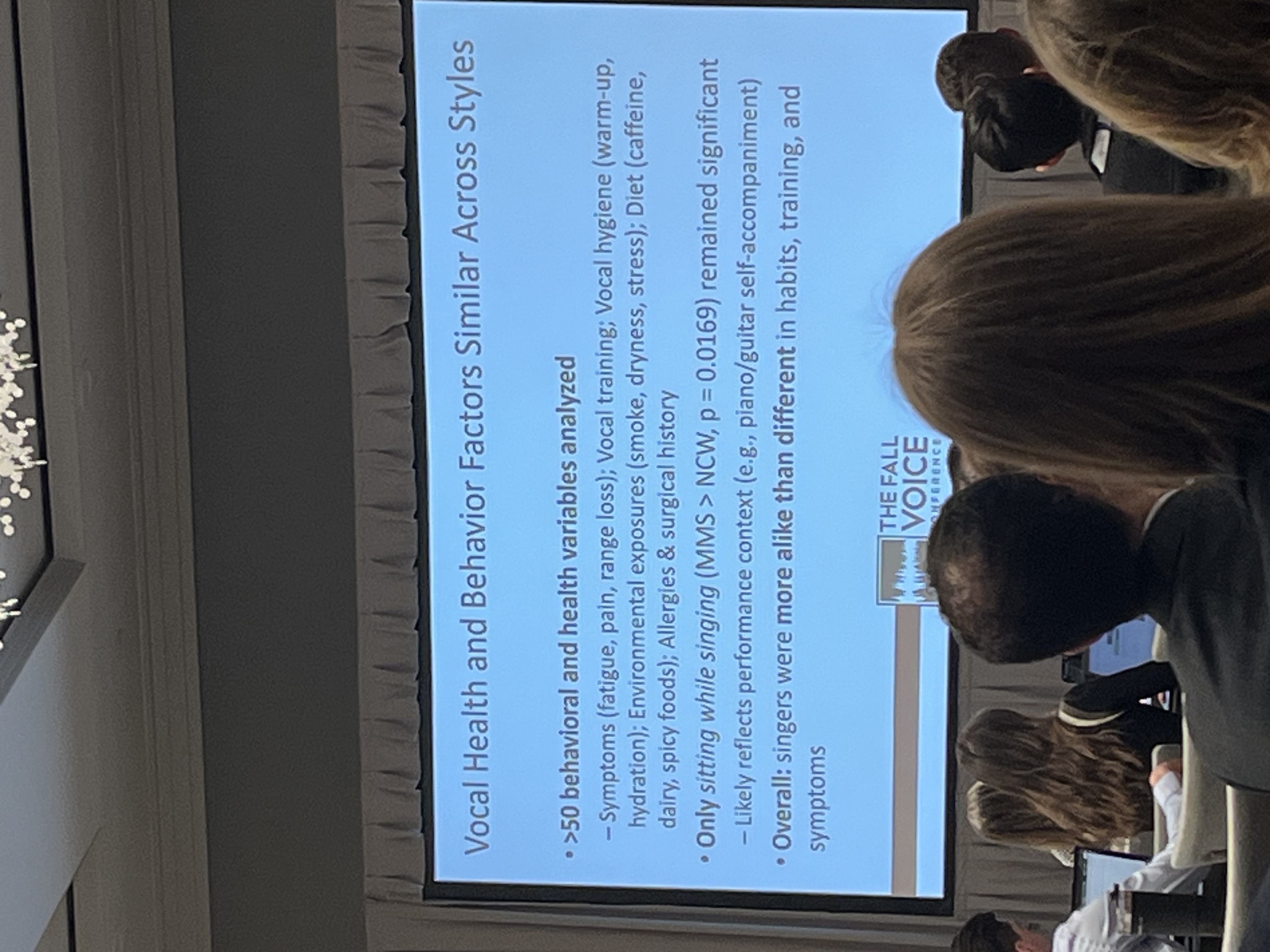
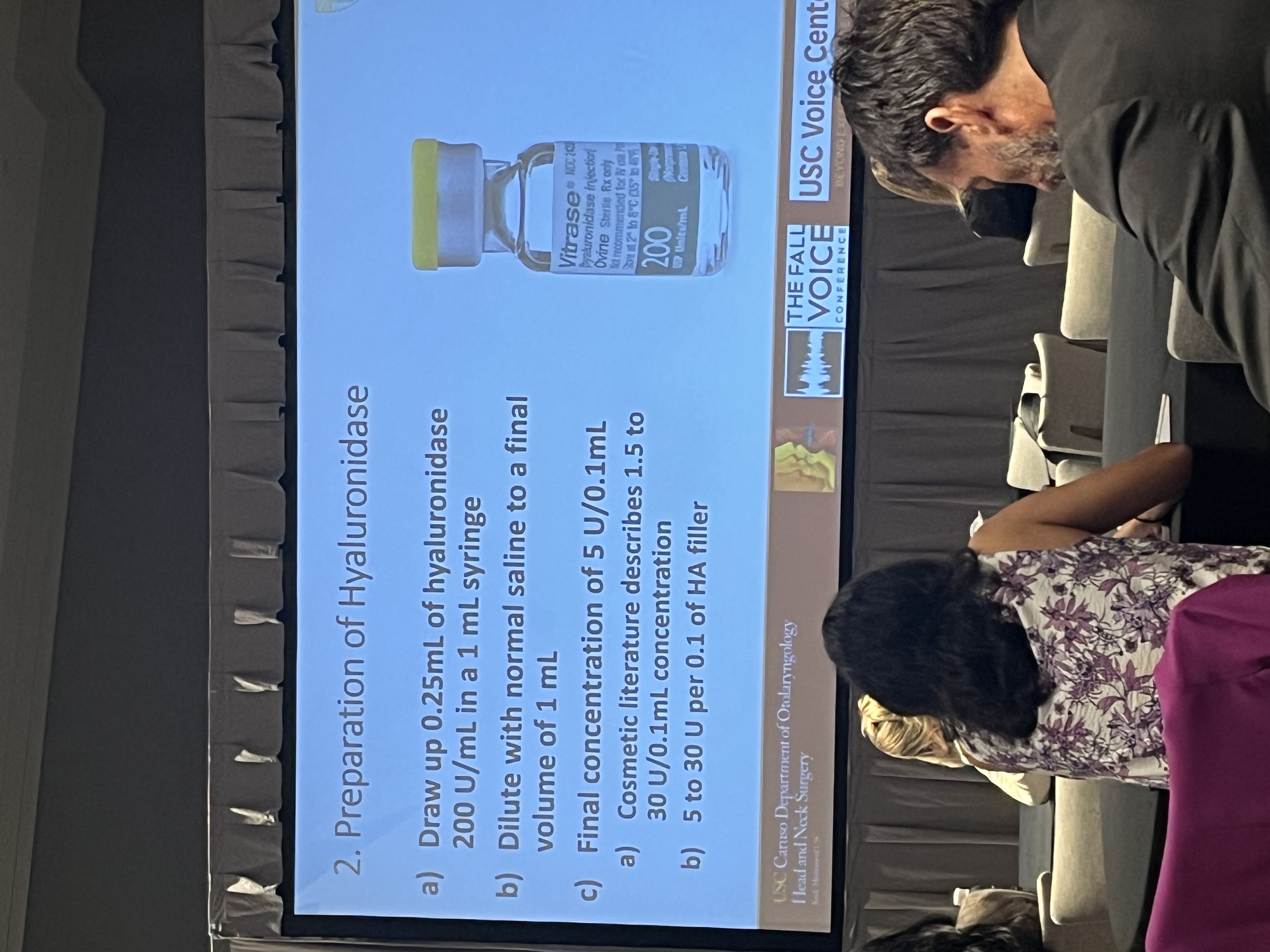
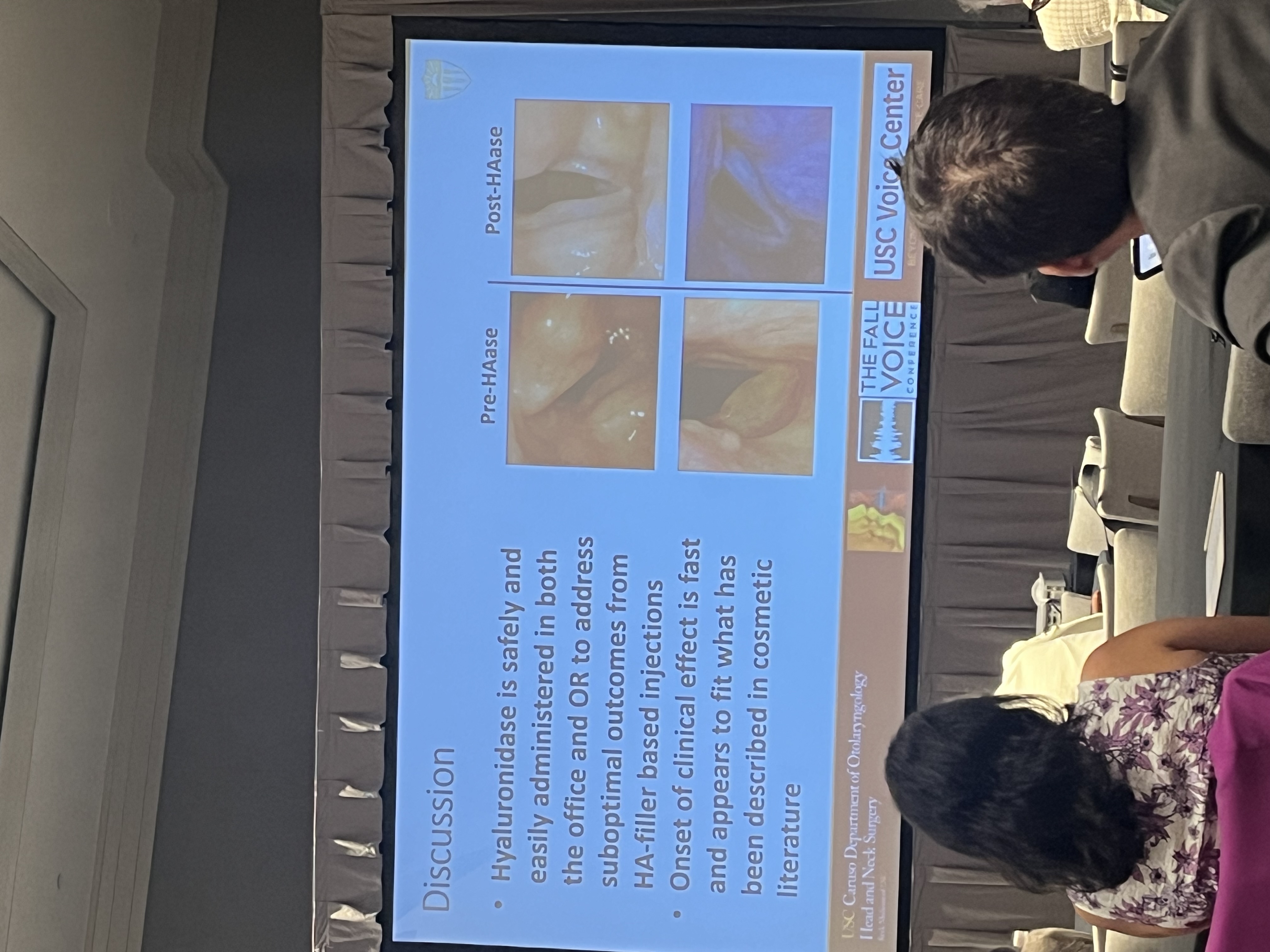
.
.
#voxfit #voice #research #rcpd #noburpsyndrome #occupationalvoiceuser #berp #burp #retrogradecricopharyngealdysfu
PYV: Anddd of course, always REMEMBER to PRIORITIZE YOUR VOICE! ...
How are YOU prioritizing your voice today? And everyday? As an OCCUPATIONAL VOICE USER, it SHOULD be one of your top priorities!
.
What do you need to know to keep your voice healthy? You should understand how the voice works, how to protect and care for your voice, and how to use your voice and entire vocal mechanism in the most efficient, effective, and dynamic ways possible.
.
.
I’m super PASSIONATE about this population of voice users (I’m one and most of you are too!), and am HERE TO HELP! Reach out with any questions, concerns, or if you’d like to work together. Email me at info@voxfitconsulting.com or DM me on @voxfit_ ...
#prioritizeyourvoice
Author

Sara Davis, M.A. CCC-SLP
Author
Check out the Meet The Founder page for bio!
Recent Posts